The Nigerian Export Promotion Council (NEPC) reported that formally documented non-oil exports reached about $6.1 billion in 2025, up roughly 11.5% from $5.4 billion in 2024. Volume rose 10%, to about 8.02 million tonnes from 7.29 million (AllAfrica, 21 January 2026).
A record is welcome, but a total does not say how it was made. Three details in the figures matter more than the headline.
How much of the growth is real?
The National Bureau of Statistics (NBS) reports the same exports in naira. Nairametrics, citing NBS data on 23 March 2026, put non-oil exports at ₦12.36 trillion in 2025, up from ₦9.09 trillion in 2024.
Our arithmetic gives a 36% rise in naira against about 11.5% in dollars. The gap largely reflects the exchange rate, because each dollar of exports translates into more naira than before. The two sets of figures come from different agencies and are not strictly comparable, but the direction is clear. A naira figure for any product therefore overstates its growth in real terms, and the dollar comparison is the more reliable one.
How concentrated is the basket?
Cocoa beans, superior and standard grades combined, made up 24.61% of non-oil exports in 2025 (NBS data via Nairametrics). Cashew nuts in shell contributed 4.85%, sesame seeds 3.69%, natural cocoa butter 2.59% and shelled cashew 1.49%. NEPC counted 281 products exported, yet one crop supplied about a quarter of the value.
The concentration extends to destinations. The Netherlands took 17.53% of the value, Brazil 10.35% and India 7.63%. We read this as a basket that is wide in name and narrow in practice. A price fall in cocoa, or a drop in demand from the Netherlands, would reach the total quickly.
What is happening to quality and processing?
Two of the product movements in the NBS data tell a story that the total hides.
Superior cocoa beans earned ₦1.57 trillion in 2025, a fall of 8.52%. Standard-quality beans earned ₦1.47 trillion, a rise of 117.29%. Working back from those growth rates, standard-grade beans moved from about 28% of cocoa bean value in 2024 to about 48% in 2025. These are our calculations, and the data do not explain the cause. The pattern fits a shift in what was sold, not only in how much.
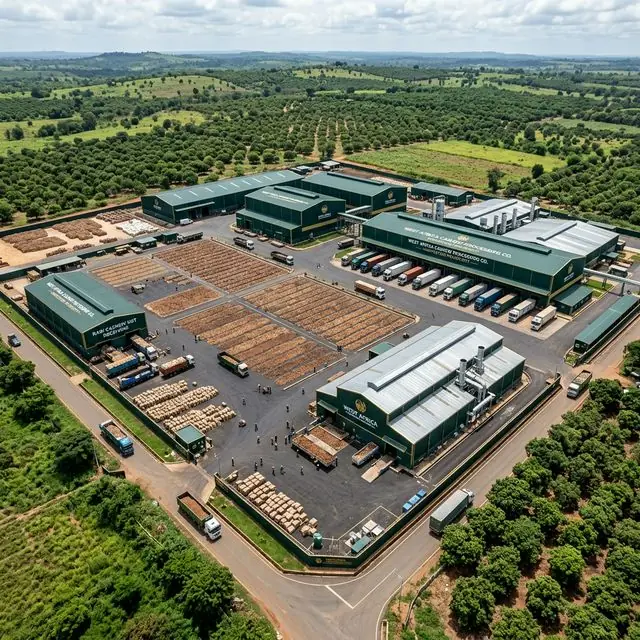
Cashew shows a different pattern. Shelled kernels grew 94.72% to ₦183.87 billion, and in-shell nuts grew 89.11% to ₦598.71 billion. Shelled cashew is a higher-value product, yet its export value remains less than a third of the raw-nut value. Processing is growing, and the volume of raw nuts leaving the country is growing with it.
Sesame fell by 25.56%.
What is missing from the scoreboard?
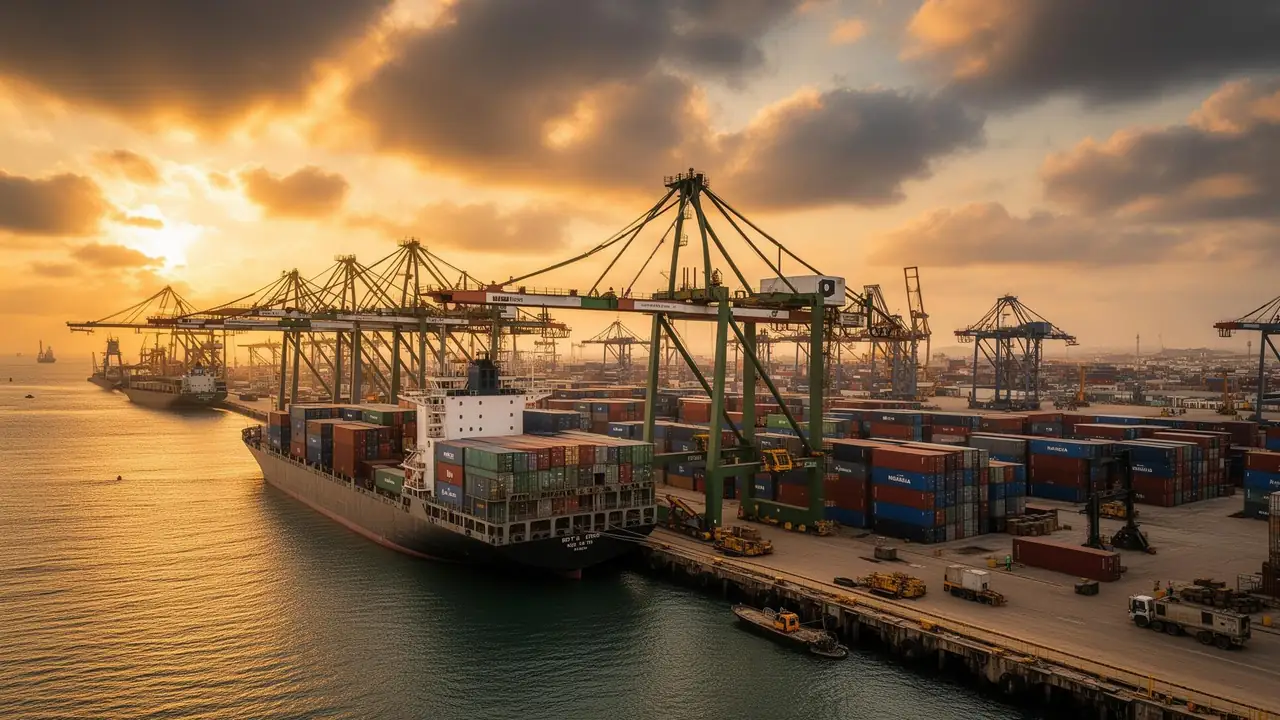
Around 94% of 2025 exports left through seaports, according to NEPC, so port performance affects almost the entire total. NEPC also says a significant amount of informal cross-border trade is not captured in these figures.
A total of exports in dollars and tonnes cannot show whether the export base is improving. A better scoreboard would add value per tonne, the share of each commodity exported in processed form, the proportion of lots rejected at destination, and the proportion of proceeds returned within the CBN's 180-day window. Each is measurable from data that exporters, banks and agencies already hold, and each would show a change in quality of trade that the headline total cannot.
Executive Summary
What $6.1 Billion Hides: Reading Nigeria's Record Non-Oil Export Year
Nigeria's non-oil exports reached about $6.1 billion in 2025. Behind the record, cocoa concentration, an exchange-rate effect and a shift to lower grades change what the headline means.
Ready to deploy resilient frameworks?
Engage our senior implementation team to translate diagnostic insights into highly functional operational architectures.